
How to source products from China without getting burned: a UK & EU buyer’s guide
The saving is real. So is the risk. Getting one without the other is the whole job, and it’s what we do on factory floors across China most weeks.
Richie is the British founder of Albion Exports. He has lived in China for fifteen years and does this work on the ground, in person. It comes from the factory floor, not a search engine.

Most UK and EU buyers don't get burned in China because they picked the wrong product. They get burned because they trusted the wrong company: a "factory" that turned out to be a middleman, a sample that looked nothing like the production run, or a spec that quietly changed somewhere between the quote and the container.
None of that is a reason to avoid China. It's a reason to source it properly. This guide walks through how to tell a real factory from a broker, how to check a supplier is who they claim to be, and how to place a first order small enough that a mistake costs you a lesson instead of a business.
Why still China, and why "cheapest" is the trap
Price and capacity are the obvious pull. The part people underestimate is choice. For a single fairly ordinary product, say a stainless steel drinks bottle, you might find dozens of factories within an hour's drive of each other, each sitting at a different quality tier, with different minimum orders, different tooling, different appetite for customisation.
That depth is the advantage, and it's also the trap. The cheapest quote almost always comes from the factory cutting a corner you can't see in a photo: a thinner gauge of steel, a lining that fails a food-safety test, a lid that leaks after fifty uses. What you're really doing is matching a factory to the standard your customers expect. Cheap is easy. Right takes work.
Factory or middleman? How to tell who you're really talking to
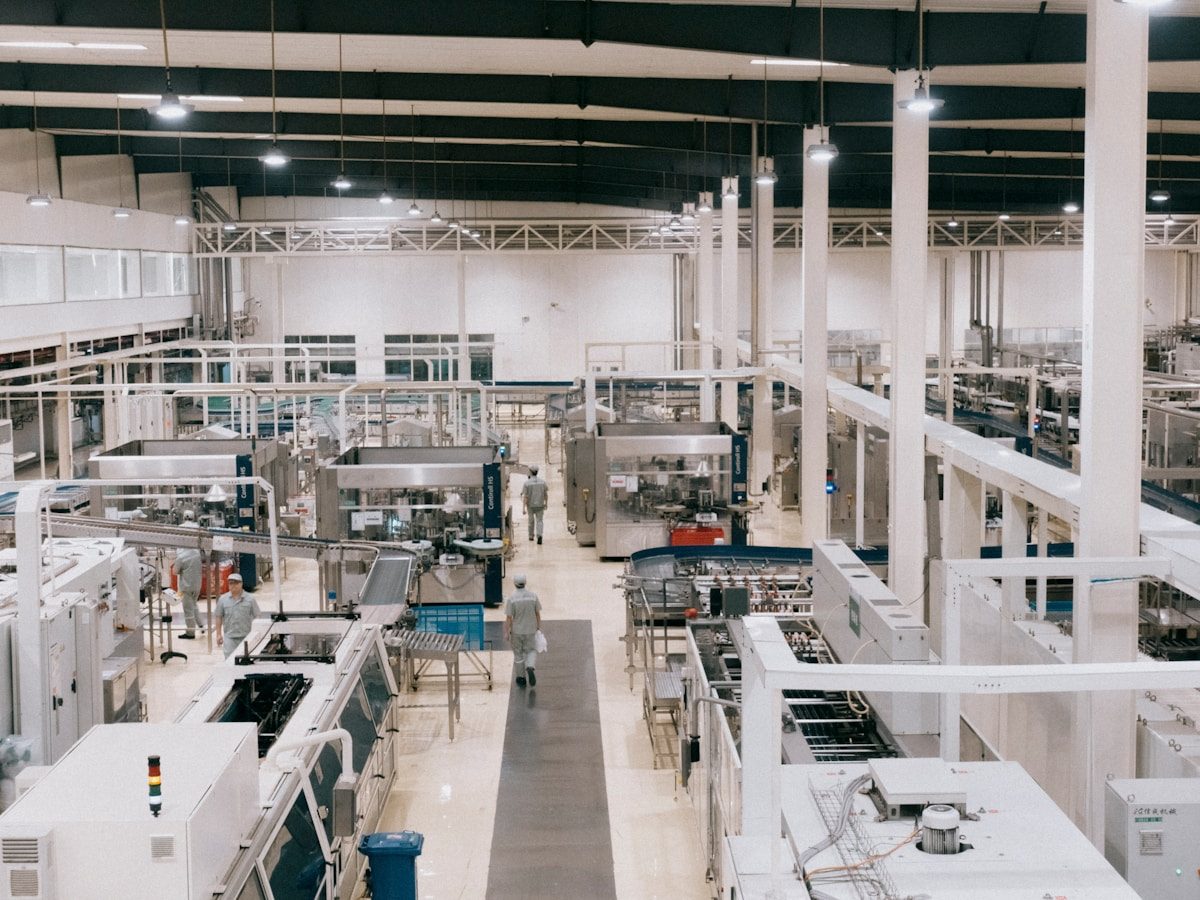
A huge share of "factories" on the big B2B platforms are trading companies. There's nothing illegal about that, and a good trading company can be genuinely useful. But if you're paying factory-direct prices, you want to know whether you're talking to the people who own the machines, or to a broker adding a margin and a layer of distance between you and whoever can actually fix a problem.
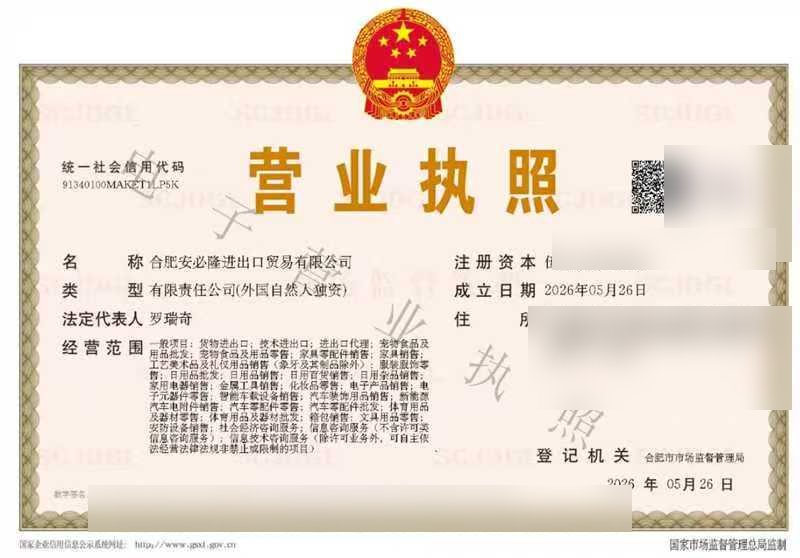
The single most useful document here is the company's business licence (营业执照). Every legally registered mainland company has one, and it's not decorative. Ask for a colour scan and look at:
- The Unified Social Credit Code (统一社会信用代码, or USCC) — an 18-character ID printed at the top of every modern licence. It's the company's fingerprint across government systems.
- Company type (类型) — for example a limited liability company (有限责任公司).
- The legal representative (法定代表人) — the person legally able to bind the company.
- Business scope (经营范围) — the tell. A real manufacturer's scope mentions production or manufacturing (生产 / 制造) of specific goods. A pure trading company's scope leans on wholesale and trade (批发 / 贸易). If a "factory" licence says nothing about making anything, that's your answer.
Then verify it. China's official company registry, the National Enterprise Credit Information Publicity System (known as GSXT), is public, free, and run by the market regulator. You can look up any registered mainland company at gsxt.gov.cn by Chinese name or USCC, and check that the details on the licence match the live record: same name, same code, same legal rep, and a live status (存续 / 在营) rather than cancelled or revoked (注销 / 吊销).
One honest catch: it's entirely in Chinese, with no English version. You search by the exact registered Chinese name or the 18-digit USCC (an English spelling returns nothing), and the sign-in captcha is a slider puzzle or a 'tap these Chinese characters in order' test, in Chinese. Most of a company's record is visible without an account, but the deeper filings sit behind a Chinese ID and face scan. It's the authoritative source, built for people already inside China. Which is exactly what a partner on the ground is for.
There's a quicker, checklist version of all this too: our 5-minute supplier background check.
How to vet a factory before you commit
Verifying the paperwork tells you a company is real. It doesn't tell you it can make your product well. For that, work through something like this before you send a penny:
- Confirm the licence and check it on GSXT. Real company, active status, scope that matches the work.
- Match the scope to the product. A supplier whose whole catalogue is cookware but who happily quotes your electronics order isn't making either. They're a trader, buying it in from the real factory and adding a cut.
- Ask to see the actual line. Photos and a short video walk-through of the specific process, not a glossy brochure or a stock catalogue shot. Vague answers here are the loudest red flag there is.
- Get a sample, then check it against the production run. A good sample proves the factory can hit the standard. It doesn't prove every unit will. Agreeing an inspection on the actual production batch is what closes that gap.
- Have someone stand on the floor. In person. This is the biggest protection against a bad order, and it's the step most buyers skip because they're 8,000 km away. We've turned up to "factories" that were a rented showroom and a WeChat account, with the real production happening two provinces over, if it existed at all.
For anything beyond a small first order, an on-site check or a third-party inspection is cheap insurance. It costs a small fraction of the value it protects, and the first time it stops a flawed batch before the container leaves, it has paid for itself several times over.
OEM or ODM: which one do you actually need?
These two get used interchangeably, and they shouldn't be. The difference decides how fast you launch, how much you spend up front, and how much of the product is truly yours.
| OEM (Original Equipment Manufacturer) | ODM (Original Design Manufacturer) | |
|---|---|---|
| What it means | The factory builds your design | You brand a product the factory already makes |
| Your input | Full spec, drawings, sometimes tooling | Logo, packaging, minor tweaks |
| Speed to launch | Slower; design and tooling take time | Fast; it already exists |
| Up-front cost | Higher (tooling, samples, MOQs) | Lower |
| How unique is it | Genuinely your own product | Shared with whoever else buys it |
| Best when | You have a real design and want to own it | You want to test a market quickly |
Most first-time buyers start with ODM to get moving, prove the demand is real, then move to OEM once they know the product is worth building from scratch. There's no prize for doing it the hard way on day one. Both routes are exactly what our OEM and ODM sourcing is built for: we run the design, factory and quality side so you can get on with selling.
Start small, then scale
You do not need a full container to begin. Plenty of factories will run an opening order well below their headline minimum if they think you'll come back: sometimes a few hundred units, occasionally less, depending on the product and the material. Custom tooling pushes the floor up; simpler goods keep it low.
Samples usually take one to three weeks, longer if there's new tooling involved. Use that round properly. It's your cheapest chance to catch a problem before it's multiplied by ten thousand. Test the market with a small run, confirm the product does what you promised your customers, then scale the volume once the risk is out of the way. Ambition is great. Ambition on your first order is how you end up with a garage full of leaking bottles.
Getting it home: a quick word on terms
The journey has two halves: out of China, and into the UK.
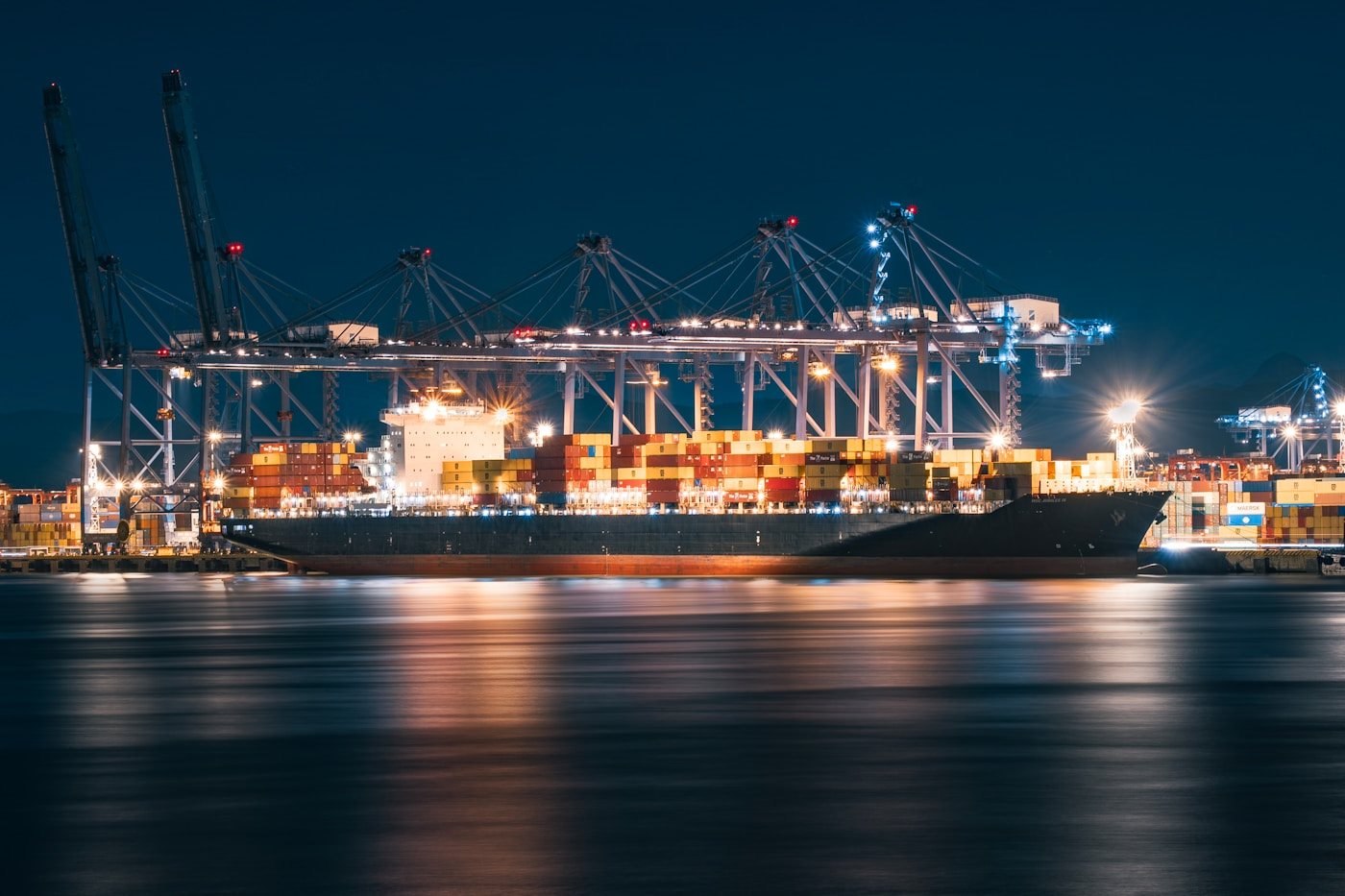
Out of China is our side. Albion is a licensed import/export company on the ground here, so the Chinese export paperwork is part of what we handle, not something you inherit.
Into the UK is yours, and it's worth knowing the shape of it before the goods move.
First, Incoterms: the shorthand that decides who pays for what and, just as importantly, who carries the risk at each leg of the journey. CFR (Cost and Freight) and CIF (Cost, Insurance and Freight) sound almost identical, but they aren't the same, and CFR applies to sea freight only. Agree the term in writing before anything ships, so there's no argument about who's liable for a container that's already at sea.
Second, the UK import process itself: duties, VAT, EORI numbers, commodity codes, and whether your specific product needs a licence or certificate. That's HMRC's territory and it changes. The UK government's step-by-step import guide is the place to start, and for the customs specifics most businesses use a customs agent rather than filing themselves. We won't pretend to be your customs broker or your accountant. For the legal and tax detail, that's exactly who you should lean on.
Where Albion fits
Albion Exports is a British-founded, China-based sourcing partner. The short version: we're standing where your products are made. We find and verify the factory, read the licence and check it against the registry, negotiate the price, manage samples and quality control, and see the order through production and shipping.
You get China's price and scale, and a UK partner accountable for every step. One who can read the Chinese-only registry, walk the factory floor, and catch the problem while it's still fixable, instead of when it's on a boat.
Tell us what you're building.
Send the product, the volume and the timeline. We'll come back with vetted factory options and indicative pricing within 24 hours.
Start sourcingFrequently asked questions
How do I know if I’m talking to a factory or a middleman?
Ask for a colour scan of the business licence and read the business scope field (经营范围). A real manufacturer’s scope names production or manufacturing of specific goods; a trading company’s leans on wholesale and trade. Then confirm the licence is genuine on China’s official registry at gsxt.gov.cn.
What’s the minimum order from a Chinese factory?
It varies enormously by product and material. Headline minimums are often negotiable for a first order, especially if the factory expects repeat business, sometimes down to a few hundred units. Custom tooling raises the floor; simple products keep it low.
Can I trust a supplier’s sample?
A sample proves the factory can hit the standard, not that every unit will. Treat it as the benchmark, then agree an inspection on the actual production run so the batch is checked against the sample you approved.
Do I need someone in China to source safely?
Not strictly, but it’s the single biggest risk-reducer. Paperwork can be verified remotely; a production line, the real one, is best seen in person. Someone on the ground catches problems while they’re still cheap to fix.
What’s the difference between OEM and ODM?
OEM means the factory builds your design. ODM means you brand a product the factory already makes. ODM is faster and cheaper to launch; OEM gives you a product that’s genuinely your own.